Sweet Serenity Font: A Playful Script for Editorial Design
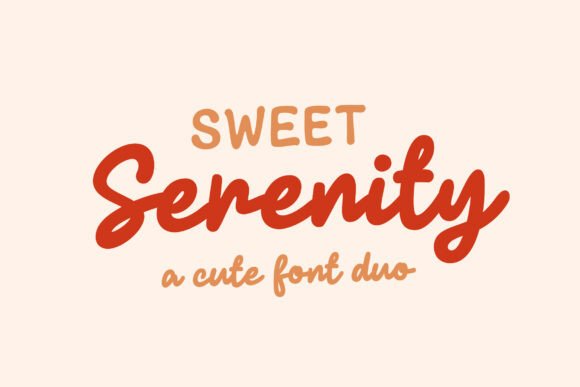
There’s a quiet magic in the moment when you’re designing a new layout and suddenly stumble upon the right font. That’s exactly what happened to me when I began working on a digital lifestyle magazine redesign — a project that called for warmth, approachability, and just the right amount of whimsy. As I scrolled through my options, Sweet Serenity, a script handwritten font duo, caught my eye. It wasn’t just cute; it had a rhythm and charm that felt perfectly suited for editorial design.
Sweet Serenity for Wedding Guides and Invitations
Wedding content demands elegance, but also a personal touch. Whether you're crafting an online wedding guide or designing save-the-date cards, finding a balance between formality and friendliness is key. Sweet Serenity brings both with its soft curves and playful strokes. The duo offers enough variation to create subtle visual interest without overwhelming the reader — ideal for headers and pull quotes where attention needs to be drawn gently.
I used it in a mock-up for a printable wedding planning checklist and was immediately impressed by how it elevated the design. The script version gave the title a romantic flair, while the alternate handwritten style added a sense of authenticity to the side notes. Both fonts paired well with clean sans serif body text, allowing the information to stay clear while the headers sparkled with personality.
Using Sweet Serenity in Recipe Ebooks and Lifestyle Blogs
When it comes to recipe ebooks, the right typography can transform a simple dish into something more inviting. I recently worked on a cozy, seasonal cookbook cover and decided to test Sweet Serenity as the title font. Its handwritten feel made the name of the book feel like a secret shared over coffee rather than a marketing headline.
In blog redesigns, especially those focused on wellness, food, or fashion, this font duo adds a sense of curation and care. I applied the script variant to article titles and the handwritten version to section dividers, creating a seamless flow between formal and informal elements. Readers responded positively to the warm tone, and the font helped reinforce the brand's identity as approachable and artistic.
How Sweet Serenity Enhances Visual Hierarchy in Magazine Layouts
One of the most challenging parts of editorial design is guiding the reader’s eye through complex layouts. Sweet Serenity helps here by naturally drawing attention to important elements. Because it’s a script handwritten typeface, it works best in short bursts — think chapter openers, decorative accents, and call-out boxes.
I found that using the script version for main headlines and the handwritten style for captions created a layered look that encouraged readers to linger longer on the page. The contrast between the two styles within the same font family allowed for creative consistency across spreads, which is crucial in maintaining a strong publication identity.
Why Sweet Serenity Works Well for Newsletter Headers
Email newsletters often need a bit of soul to stand out in crowded inboxes. In a recent redesign of a weekly wellness newsletter, I swapped out the standard sans serif header for Sweet Serenity. The result? A more engaging start that felt hand-crafted and sincere.
The script style brought a gentle energy to the subject lines, while the handwritten variant was perfect for subheaders and featured tips. What stood out most was how easy it was to read at smaller sizes — a common concern with many handwritten fonts. Thanks to its refined letterforms and generous spacing, Sweet Serenity maintained clarity even in mobile view.
Integrating Sweet Serenity into Printable Planners and Workbooks
Printable planners are all about usability and aesthetics. They need to be practical yet visually appealing to encourage daily use. When testing Sweet Serenity for a self-care planner layout, I was struck by how it softened the structure of the design without sacrificing functionality.
Used sparingly for motivational headings and decorative flourishes, the font added a sense of joy and creativity. For the calendar sections, I paired it with a minimalist sans serif to keep the dates legible. This combination of script handwritten and structured typefaces helped strike the perfect balance between inspiration and organization.
Sweet Serenity in Digital Magazines and Course PDFs
Digital magazines have a unique challenge — they must perform well on screens while still feeling premium. Sweet Serenity fits this requirement beautifully. I tested it in a digital issue of a modern home decor magazine and saw how it added character to feature stories and photo captions.
For course PDFs, especially those in creative fields like photography or interior design, this font duo gives your content a professional yet friendly edge. I used the script version for module titles and the handwritten style for quick tips throughout the document. The dual nature of Sweet Serenity allowed me to vary the tone without losing typographic harmony.
Readability and Responsiveness Across Platforms
While Sweet Serenity shines in display settings, it’s also surprising how well it performs in digital environments. On screen, the font maintains its charm without becoming muddy, which is a rare trait among script handwritten typefaces. I tested it on a tablet-friendly newsletter and noticed no loss in clarity, even at reduced sizes.
When exporting to PDF or print, the duo holds up admirably. I designed a printable mindfulness worksheet using it for the main heading and minor decorative elements. The file looked crisp on both paper and retina displays. If you're considering this font for long-form content, however, stick to shorter phrases and avoid using it for large blocks of text to maintain readability.
Font Pairing Tips for Editors and Bloggers
Pairing Sweet Serenity with complementary fonts is straightforward. The script version pairs beautifully with a medium-weight serif for body copy, giving your layout a classic-meets-modern vibe. The handwritten style works well with a light sans serif for navigation menus or captions in social media graphics.
- Script + Serif: Ideal for blogs and magazines that want a timeless yet fresh aesthetic.
- Handwritten + Sans Serif: Perfect for newsletters and digital publications where clean readability is essential.
- Both Styles Together: Great for creating depth and movement in multi-page designs or branding assets.
Always consider the mood you’re trying to set. If your content feels too serious, let Sweet Serenity inject some playfulness. If it’s already lighthearted, use it to add a layer of refinement.
Checking Out the Details Before Using Sweet Serenity
Before committing to any font, it’s smart to check the included styles and alternates. Sweet Serenity offers a curated selection that makes it versatile for various applications. I recommend exploring ligatures and alternate characters if you plan to use it for logo design or packaging elements.
Also, confirm the licensing terms — especially if you’re building commercial projects like paid newsletters, client publications, or digital downloads. Knowing whether the font supports multilingual characters is another consideration if your audience spans different regions or languages.
Sweet Serenity for Brand Identity and Content Consistency
A consistent typography strategy strengthens brand recognition. Sweet Serenity has become a favorite for indie brands looking to establish a voice that’s both charming and polished. Its duality allows for subtle differentiation between primary and secondary messaging, which is invaluable in building a cohesive visual language.
Whether you’re designing a website, setting up a social media template, or crafting a signature line for a greeting card collection, this script handwritten font duo can unify your materials. I’ve seen it work wonders for small businesses and independent creators who want their content to feel authentic and intentional.
Final Thoughts on Typographic Choices for Creative Projects
Typography is more than just choosing a pretty font — it’s about storytelling, emotion, and clarity. Sweet Serenity isn’t just a script handwritten font; it’s a tool for shaping the experience of your readers. From blog headers to ebook covers, it brings a calm confidence that enhances the overall feel of your content.
If you’re ready to elevate your next design project with a font that feels both modern and heartfelt, give Sweet Serenity a try. You might find, like I did, that it becomes an unexpected favorite in your toolkit — one that makes every layout feel a little sweeter.