Masterline Calligraphy Font for Modern Editorial Design
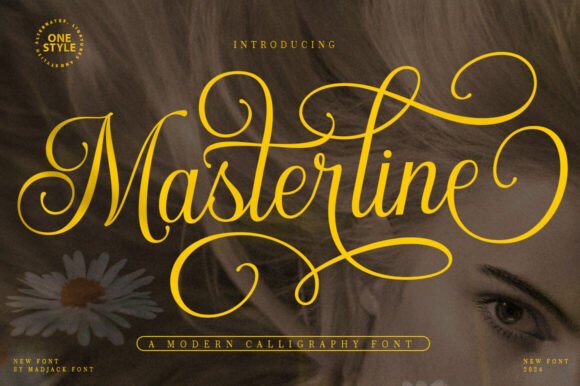
I was recently redesigning a digital lifestyle blog when I stumbled upon Masterline Calligraphy, and it instantly caught my eye. As a blogger and editorial designer, I’m always on the lookout for fonts that bring warmth, elegance, and personality to content layouts without compromising readability. Masterline Calligraphy, a modern calligraphy design with a casual and beautiful feel, felt like the perfect fit for a header style that needed to stand out yet remain inviting.
Using Masterline Calligraphy in Blog Headers and Article Titles
Incorporating Masterline Calligraphy into the blog’s main header transformed the overall look. The swashes gave each title a sense of movement and artistry, making it feel more intentional and handcrafted. Unlike many script handwritten fonts, Masterline doesn’t lean too heavily into flourishes that distract from the message. Instead, its rhythm is balanced — just enough flourish to add charm, but not so much that it becomes difficult to read at a glance.
This font works particularly well for article titles in a clean layout. When paired with a minimalist sans serif body font, the contrast between the two styles helps guide the reader’s eye and create a clear visual hierarchy. I found myself using Masterline Calligraphy for feature headlines and section openers where I wanted to evoke a mood of creativity and authenticity.
Masterline Calligraphy for Wedding Guides and Elegant Branding
A few weeks later, I was working on a printable wedding guide for a client who wanted something both romantic and professional. After trying several script handwritten fonts, I settled on Masterline Calligraphy for the cover and chapter headings. Its beauty lies in how it feels personal yet polished — exactly what a wedding publication should embody.
The Regular weight offered enough variation to distinguish different sections without overwhelming the reader. I also appreciated how it added a touch of sophistication to brand logos included in the guide. Whether used as part of a larger branding suite or as an accent in editorial design, Masterline Calligraphy supports a consistent and elegant tone throughout the publication.
Creating Visual Interest with Masterline Calligraphy in Magazine Layouts
For a digital magazine layout project, I needed a display font that could anchor pull quotes and sidebars without competing with the body text. Masterline Calligraphy delivered just that. Its organic curves and subtle variations made it ideal for drawing attention to key phrases or featured stories.
What stood out most was how it maintained clarity even when set in italics or with alternates. Many script fonts lose their shape or become illegible under such conditions, but Masterline handled it gracefully. This flexibility is essential for editorial designers who want to use the same typeface across multiple elements while keeping everything cohesive.
Masterline Calligraphy in Newsletter Graphics and Social Media Captions
When crafting newsletter headers and social media graphics for a wellness brand, I chose Masterline Calligraphy to give the designs a soft, approachable edge. The font’s personality helped communicate the brand’s focus on mindfulness and simplicity. It also translated well across platforms, looking sharp on both desktop and mobile screens.
I made sure to check the file formats available and confirmed that Masterline Calligraphy supports commercial font licensing, which was crucial since the newsletters were being sent to a growing audience. The multilingual support was another bonus, especially when exporting content for international clients.
Font Pairing Tips for Editors and Publishers
To ensure the best reading experience, I paired Masterline Calligraphy with a readable serif font for body copy and a clean sans serif for captions and navigation menus. This combination allowed the creative energy of the script handwritten font to shine while keeping the rest of the layout grounded and easy to digest.
One thing I learned through trial and error is to avoid using Masterline Calligraphy in long paragraphs or dense blocks of text. It’s a display font at heart, meant for emphasis rather than endurance. However, for section headings, chapter titles, and decorative accents in a course PDF or coaching workbook, it performed beautifully.
Masterline Calligraphy in Product Packaging and Digital Publications
I also experimented with Masterline Calligraphy in product packaging mockups for a small artisanal skincare line. The font brought a handmade, boutique-level aesthetic to the labels, enhancing the brand’s identity as natural and thoughtful. It didn’t overpower the other design assets, yet it added just enough character to make the packaging feel unique.
Later, I used it in a recipe ebook I was formatting. For the cover and title pages, Masterline Calligraphy lent a warm, home-cooked vibe that aligned perfectly with the book’s cozy theme. In the interior, I limited its use to recipe names and headings, ensuring that the body remained legible and uncluttered.
Readability Considerations Across Formats
As someone who often works with printables and PDF exports, I appreciate how Masterline Calligraphy holds up in various formats. On screen, it renders smoothly in web design and social media graphics, and in print, its details stay crisp without bleeding or losing definition. That kind of reliability is rare in a script handwritten font.
I also tested how it looked in different sizes — from large banners down to smaller tags in a printable planner. While it thrives in larger display settings, it still retained its elegance in subtler uses. Just remember to keep it simple in these cases; let the structure of the design do the heavy lifting, and let the font complement the message.
Why Masterline Calligraphy Fits Into Your Content Branding Toolkit
Masterline Calligraphy isn’t just a pretty Script Handwritten font — it’s a tool that can elevate your Fonts game across multiple content types. Whether you’re designing a digital magazine, building a brand identity for a new venture, or creating engaging newsletter headers, this font adds a layer of intentionality to your work.
Its casual yet refined nature makes it versatile enough for both lifestyle blogs and professional publications. It communicates warmth and creativity without feeling overly whimsical, which is why it’s become one of my go-to choices for editorial projects that aim to connect with readers on a more personal level.
Final Use Case: A Recipe Ebook Cover and Chapter Opener
Let me walk you through a real example. I was tasked with creating a cover and chapter opener for a seasonal recipe ebook. I wanted the title to feel inviting and authentic, something that would reflect the care and craft behind the recipes. Masterline Calligraphy was the first font I tried, and it immediately clicked.
On the cover, I layered it with a bold, structured sans serif for the subtitle. The result was a harmonious balance of creativity and clarity. Inside the ebook, I used it sparingly — for chapter titles and pull quotes — allowing it to serve as a highlight rather than a distraction. Readers told me it felt like the recipes had been written by a friend, adding to the trust and comfort of the brand.
Masterline Calligraphy for Print and Web Projects
If you’re working on a mix of print and web materials, like a printable planner or a digital magazine, Masterline Calligraphy offers the adaptability you need. I’ve used it in both high-resolution print layouts and responsive web design, and it consistently delivered a premium font experience. Its ability to maintain character across different mediums is a huge plus for anyone juggling multiple output formats.
Another benefit? It’s not overused. While many script handwritten fonts have flooded the market, Masterline stands apart with its unique rhythm and understated flair. This means your content won’t get lost in a sea of similar-looking typefaces. Instead, it will help your publication carve out a distinct visual identity.
Design Assets and Commercial Licensing Clarity
Before finalizing any layout involving Masterline Calligraphy, I always double-check the included styles, ligatures, and alternates. This font comes with enough variety to offer interesting options without requiring excessive tweaking. And because it’s intended for commercial use, I knew I could confidently embed it in templates, printables, or even client-facing publications without legal concerns.
It’s also important to consider the file format compatibility — especially if you’re embedding Fonts in PDFs or using them in web-based design assets. Masterline Calligraphy handles these transitions smoothly, which is a relief when working with tight deadlines and complex workflows.
Bringing Personality to Content with Masterline Calligraphy
There’s something about Masterline Calligraphy that feels like a breath of fresh air in the world of editorial design. It’s not just another script font; it’s a carefully crafted piece of modern typography that speaks to the reader in a gentle, confident voice.
Whether you’re publishing a newsletter, launching a course PDF, or designing a digital magazine, this font has the potential to transform your content. It supports your brand identity by offering a signature style that feels both current and timeless. And in a space where design can make or break engagement, having a font that draws people in while staying true to the message is invaluable.
So next time you’re choosing a typeface for your next project — whether it’s a blog header, a printable guide, or a wedding invitation template — consider Masterline Calligraphy. Let it speak for itself, and watch how it enhances the storytelling in your design work.