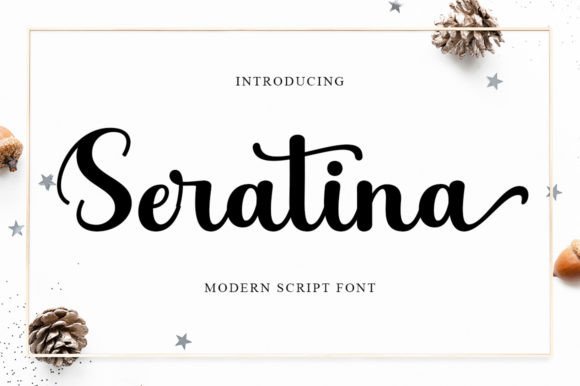
Seratina Script: A Premium Handwritten Font for Editorial Design
There’s something special about the moment when you open a design file and begin choosing the right typeface. It feels like setting the tone of a conversation before anyone has even read the first word. When I recently redesigned the header for a lifestyle blog, I found myself drawn to Seratina Script, a script handwritten font that exudes a smooth, modern elegance while maintaining just enough personality to feel alive on the page.
Seratina Script in Lifestyle Blog Redesigns
I was working on a blog focused on wellness, travel, and slow living—content where warmth and approachability are key. The original header used a sans serif font that felt too clinical, too digital. I wanted something more expressive, but not overly ornate. Seratina Script fit perfectly into this need. Its varying baseline gives it a natural, handcrafted rhythm that mirrors the flow of a relaxed handwritten note. It’s not just a font, it’s a tone setter.
In practice, Seratina Script added a layer of sophistication without being inaccessible. Readers instantly responded to the visual softness, especially in article titles and section headers. It created a sense of intimacy and trust, which is exactly what the blog aimed to foster. For mobile layouts, the font held up well at smaller sizes when used sparingly—ideal for title cards or pull quotes rather than dense paragraphs.
Seratina Script for Recipe Ebooks and Printable Guides
A few weeks later, I worked on an ebook layout for a plant-based recipe collection. Here, I needed a font that could bridge between editorial content and creative presentation. Seratina Script was used for chapter openers and menu headings, lending a touch of personal flair to each new section. Paired with a clean, readable serif font for body copy, it helped establish a clear visual hierarchy and made the experience of browsing through recipes feel more like opening a handwritten journal than reading from a screen.
The handwritten font also played nicely with design assets like illustrations and photography. Because it’s not too wild or exaggerated, it didn’t clash with the minimalist aesthetic of the project. Instead, it grounded the creativity with a sense of authenticity. In PDF exports and print materials, the font retained its charm, showing no signs of pixelation or distortion even at high resolutions.
When to Use Seratina Script in Editorial Layouts
- Cover text: Whether it's for a digital magazine or a printable planner, Seratina Script brings a refined yet dynamic presence to front covers.
- Pull quotes: The font’s expressive nature makes it ideal for highlighting key lines of content in feature articles or blog posts.
- Section headings: In long-form content such as newsletters or course PDFs, using Seratina Script for major sections helps break up the monotony and guide readers smoothly through the material.
- Decorative accents: Small touches like side notes, signature lines, or decorative flourishes benefit from the subtle variations in stroke and baseline.
What Seratina Script Isn't Suited For
While Seratina Script shines in display roles, it’s not a candidate for body copy. Its flowing character and irregular spacing make it less legible when set in small sizes or over long passages. I noticed that in one draft where I tried using it for captions in a digital magazine, readability suffered. This is common with many script fonts, and it’s important to remember that elegance can sometimes come at the cost of clarity.
That said, if your publication includes a lot of visuals, sidebars, or short blurbs, then Seratina Script could still be a great choice for those supporting elements. Just keep body text in a solid serif or sans serif font to maintain reader comfort and reduce eye fatigue.
Font Pairing Tips for Magazine Covers and Newsletter Headers
One of the joys of working with Seratina Script is how versatile it is in font pairing. I’ve successfully combined it with several neutral typefaces to balance its expressiveness with functionality. For example, pairing it with a bold slab serif in a digital magazine cover gave the headline both weight and grace. In a creator newsletter, I matched it with a light sans serif for captions and navigation, creating a seamless contrast between artistic and utilitarian styles.
If you're using this handwritten font for event posters or branding projects, consider how it interacts with other design elements. Because of its elegant, flowing nature, it works best in layouts with generous white space and minimal distractions. Avoid overloading the page with multiple script fonts; stick to one for consistency and visual harmony.
Real-World Application in Wedding Guide Design
I had the opportunity to test Seratina Script in a wedding planning guide layout. The goal was to create a publication that felt both romantic and professional. Using Seratina Script for the main title and invitation-style sections gave the design a personalized, heartfelt quality. The varying baseline mimicked the natural movement of handwriting, making it feel less like a brochure and more like a curated love letter.
Readers who previewed the layout commented on how the font helped them connect emotionally with the content. That’s the power of a good script font—it doesn’t just present information, it invites engagement. However, I did limit its use to headlines and decorative elements, ensuring that the rest of the guide remained easy to read and navigate.
Commercial Uses and Licensing Considerations
For designers and creators looking to use Seratina Script in commercial fonts, it’s crucial to verify licensing terms. If you plan to incorporate it into a paid newsletter, a client publication, or any digital download, make sure the license allows for extended usage across platforms and media types. Many premium fonts offer flexible licensing options, but it’s always best to double-check before finalizing your project.
Also, look into the included styles and alternates. Some script handwritten fonts provide additional ligatures and stylistic sets that can enhance the uniqueness of your layout. In my experience, these small details can elevate a simple design into something memorable.
Multilingual Support and File Formats
Another practical consideration when using Seratina Script is multilingual support. If your publication caters to a global audience, confirm whether the font supports the languages you intend to use. Most modern typography tools now allow for quick checks, so take advantage of those features before embedding the font in your templates or printables.
File formats matter too. I recommend downloading the font in both OTF and TTF versions to ensure compatibility across design software and devices. This way, whether you’re building a WordPress site, designing in InDesign, or preparing a PDF for print, you’ll have the right format ready to go.
Seratina Script as Part of Your Content Brand Identity
Fonts play a critical role in shaping brand identity. A single well-chosen typeface can communicate values, aesthetics, and tone more effectively than any color palette. Seratina Script has become a quiet hero in my recent projects because it consistently adds a layer of modern elegance without overpowering the message.
It’s particularly effective in niches like wedding guides, lifestyle content, and coaching workbooks where a personal touch enhances the reader’s emotional connection. As part of a broader brand identity, it can serve as a signature element for logos, social media graphics, or packaging designs. Just pair it carefully with secondary fonts that complement its style and mood.
Final Thoughts on Readability and Visual Hierarchy
Though Seratina Script is expressive, it manages to stay within a realm of readability that’s rare among handwritten fonts. The strokes are consistent, the characters are clearly formed, and the overall structure feels intentional. This makes it a reliable choice for editorial design where visual appeal must coexist with functional clarity.
When applied correctly, it strengthens visual hierarchy by guiding the reader’s attention toward key messages. It’s perfect for worksheet layouts, where a mix of structured data and creative prompts can benefit from a little typographic personality. And in web design, it adapts well to responsive layouts when used in headers and call-to-action buttons.
If you’re redesigning a blog, crafting a wedding guide, or building a printable planner, consider adding Seratina Script to your toolkit. It’s more than just a pretty script font—it’s a thoughtful design asset that elevates your publication’s mood and reader experience. Just remember to use it wisely, and always prioritize readability when scaling down for mobile or print.
Seratina Script for Event Posters and Creative Typography Projects
Recently, I designed an event poster for a local wellness retreat. The brief called for a warm, inviting tone with a modern edge. After testing several premium fonts, I landed on Seratina Script for the main headline. Its gentle curves and confident strokes brought a sense of fluidity and calm, aligning perfectly with the retreat’s theme of mindfulness and self-care.
What stood out most was how the font interacted with the background imagery—a serene landscape shot. It didn’t fight for attention; instead, it harmonized with the photo, letting the words feel like a natural extension of the scene. This kind of synergy is what makes a script handwritten font powerful in editorial and graphic design alike.
I also used it in a pull quote for a featured article on the same website. The variation in baseline made the quote feel spontaneous and authentic, reinforcing the idea that the content was written with care and intention. These small moments add up to a stronger publication identity, especially when paired with thoughtful color choices and layout techniques.
Why Choose Seratina Script Over Other Script Fonts?
Many script fonts lean too heavily into cursive drama, becoming difficult to read or visually overwhelming. Seratina Script, however, strikes a balance. It’s expressive enough to stand out, but clean enough to remain accessible. This duality makes it ideal for editorial projects where you want to blend creativity with professionalism.
Compared to other handwritten fonts, Seratina Script has a more polished rhythm. You won’t find awkward loops or inconsistent slants here. Every character flows with purpose, giving the impression of a practiced hand rather than a random scribble. This subtle refinement is what separates it from generic scripts and positions it as a creative font worth investing in.
If you're looking for a font that brings elegance to your next project—whether it’s a blog header, a chapter opener in a course PDF, or a pull quote in a digital magazine—Seratina Script is a compelling option. It’s a font that understands the needs of real-world publishing, and that’s something every designer should appreciate.