Duck Come Font for Editorial Design and Creative Projects
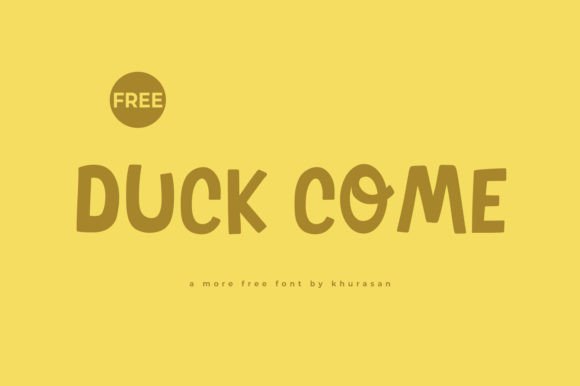
There I was, deep into the redesign of a digital lifestyle magazine, staring at the cover mockup with a half-finished title. The previous header had become stale — a generic sans serif that no longer matched the brand’s evolving tone. We wanted something modern but warm, something that felt handcrafted yet professional. That’s when I stumbled upon Duck Come, a Script Handwritten font that immediately caught my eye. It wasn’t just another decorative Fonts sample; it carried rhythm, personality, and a quiet elegance that spoke to our editorial voice.
Duck Come for Magazine Covers and Article Titles
In editorial design, especially for magazines and digital publications, the right typeface can set the entire mood of the issue. Duck Come is a display Fonts that excels in this space. Its script style brings a sense of artistry and sophistication without being overly ornate. When used on a magazine cover or an article title, it draws the reader in with its soft curves and balanced structure. The character spacing feels intentional, allowing each glyph to breathe while maintaining a cohesive flow.
I tested it on a few different layouts, from minimalist covers to more vibrant designs with background imagery. In every case, Duck Come added a touch of charm without overpowering the composition. For a feature about modern home decor, the title “Reimagining Space” in Duck Come looked both inviting and stylish. The subtle variation in stroke weight and the natural feel of the script gave the piece a human touch, which is essential for content that wants to feel personal and curated.
Duck Come in Blog Headers and Newsletter Graphics
Blog headers are often the first thing readers see when scanning through posts. A strong visual identity here can make all the difference. I’ve used Duck Come in blog headers where the tone is creative, such as food blogs or travel journals. The Script Handwritten nature of the font adds a sense of authenticity and approachability — perfect for content that’s meant to be read with warmth and connection.
In newsletter graphics, where attention is fleeting and messages need to stand out, Duck Come performs admirably. Whether it’s a pull quote for a featured article or a headline for a new section, it commands presence without becoming distracting. The font works especially well in combination with clean sans serif fonts for supporting text, creating a contrast that guides the reader’s eye naturally.
Editorial Mood and Publication Identity
The mood of a publication is often tied to its typography choices. Duck Come leans into a romantic, artistic vibe — ideal for brands aiming for a contemporary yet elegant aesthetic. It’s not the kind of Fonts you’d use in a corporate report, but it shines in lifestyle content, fashion features, and even literary pieces. The rhythm of the script gives it a lyrical quality that elevates the reading experience, making it suitable for Script Handwritten applications where tone matters more than strict legibility.
One of the standout qualities of Duck Come is how it supports publication identity. A well-chosen typeface becomes part of the brand’s signature. In a recent project involving a wedding guide, the client wanted something that felt personal and heartfelt. After trying several options, we settled on Duck Come for the cover and key headings. It helped create a consistent visual language that echoed the theme of love and celebration throughout the document.
Readability Across Platforms and Formats
While Duck Come is expressive, it’s also surprisingly readable in certain contexts. On larger screens, it holds up well in titles and pull quotes. However, for mobile layouts or small captions, I recommend using it sparingly. The cursive elements may lose clarity at smaller sizes, so it’s best reserved for headlines, chapter openers, and other high-impact uses.
When exporting to PDFs or preparing print materials, I found that the font maintains its quality and legibility if given enough room. This makes it a solid choice for recipe ebooks, printable planners, and similar content where the text is short and impactful. Just keep in mind that Script Handwritten fonts like Duck Come aren’t typically suited for long-form reading due to their stylized nature.
Duck Come for Banners, Logos, and Branding Materials
Branding is about consistency and memorability. As a Fonts designer, I’ve used Duck Come in logo concepts for small businesses and indie creators who want to stand out. Its modern flair paired with a handwritten feel makes it versatile enough for coffee shops, boutique brands, and wellness startups. It doesn’t scream loud, but it has a quiet confidence that lingers.
I also tried it in banner designs for a course creator who wanted something unique for their digital product landing pages. Duck Come allowed them to maintain a premium look while still feeling accessible. The font easily matched the rest of their design assets and became a central part of their visual branding strategy.
Font Pairing Tips for Editors and Designers
One of the most important aspects of using any Fonts effectively is knowing how to pair it with complementary styles. For Duck Come, I recommend pairing it with a classic serif font for body copy to balance its expressiveness with readability. Lora, Georgia, or Playfair Display work beautifully. Alternatively, a clean sans serif like Open Sans or Lato can help keep navigation menus and captions sharp and functional.
For web design or social media graphics, consider using Duck Come in bold or outlined versions to ensure visibility against busy backgrounds. And always check the included alternates and ligatures — these little touches can add personality to your layout and help differentiate your brand from others using the same Script Handwritten font.
What to Avoid: Body Copy and Formal Reports
Despite its many strengths, Duck Come isn’t the right fit for everything. If you’re working on a formal report or need to typeset dense paragraphs of text, this Fonts will fall short. The script style, while beautiful, sacrifices some clarity in extended reading. Stick it to decorative accents, call-out boxes, and section headings where it can shine without burdening the reader.
I once attempted to use it in a coaching workbook and quickly realized it wasn’t ideal for instruction-heavy sections. But when used for chapter titles and motivational pull quotes, it brought a refreshing energy to the design. Always remember that Script Handwritten fonts like Duck Come should serve the content, not obscure it.
Duck Come for Digital Products and Printables
Many creators sell digital products like worksheets, planners, and guides. Typography plays a big role in how these items are perceived. Duck Come adds a level of refinement that can justify a higher price point. It looks great in headers for printable planners, especially those targeting weddings or special events. The font helps communicate a sense of care and detail — exactly what customers expect from a well-designed Fonts package.
It’s also useful in course PDFs or digital magazines where the goal is to engage readers with visually appealing sections. I used it in a digital magazine about sustainable living, and it helped highlight key insights and testimonials in a way that felt both personal and professional. The font worked seamlessly with other design elements and didn’t clash with the overall color scheme or layout.
Practical Considerations Before Use
Before integrating Duck Come into your next project, take a moment to review the licensing terms. Since it’s a commercial Fonts, understanding whether it allows for use in paid newsletters, client publications, or digital downloads is crucial. Also, check the file formats provided — TTF, OTF, or WOFF — depending on your platform needs. Some tools prefer specific formats for optimal rendering, especially in responsive web design or embedded PDFs.
Another thing to note is multilingual support. While Duck Come handles English exceptionally well, verify if it includes glyphs for your target audience’s language. This is particularly important for global projects or international newsletters. And don’t forget to test the font across different devices and screen resolutions to ensure it remains legible and aesthetically pleasing everywhere it appears.
Conclusion: A Thoughtful Choice for Content Creators
Duck Come isn’t just another Script Handwritten font. It’s a nuanced Fonts that understands the balance between beauty and function. Whether you’re crafting a digital magazine layout, designing a blog header, or building a wedding invitation suite, this font offers a refined, modern solution that supports your editorial vision.
If you’re looking to elevate your content’s visual appeal without compromising professionalism, Duck Come is worth considering. Test it in your next project — I think you’ll find it adds just the right amount of personality to your work.