Background Signature Font: A Stylish Typeface for Editorial Design
Background Signature in a Wedding Guide Layout
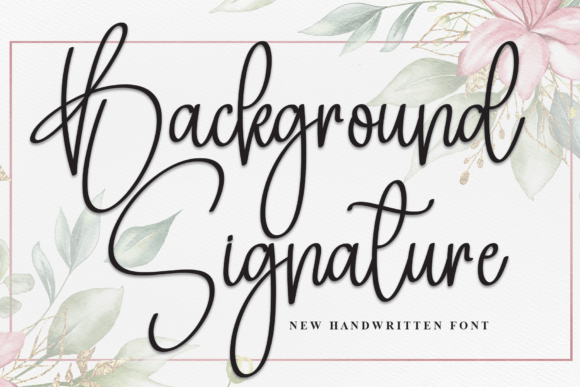
I recently had the opportunity to redesign a digital wedding guide for a small content brand, and I found myself drawn to Background Signature, a script handwritten font that brings an air of elegance and intimacy to any design. As I worked through the editorial layout, I realized how well this handwritten font could set the tone for a publication that aims to blend beauty with practicality. The flowing style of Background Signature feels like it was crafted by hand, giving each page a sense of warmth and personal touch.
Using Background Signature for Digital Magazine Covers
In the realm of editorial design, choosing the right typeface can make or break a cover’s visual appeal. When working on a digital magazine about lifestyle curation, I tested several Fonts before settling on Background Signature. Its natural rhythm and expressive strokes brought a modern yet timeless feel to the title, making it instantly recognizable and inviting. The font’s personality shines especially when paired with minimalist backgrounds and soft gradients—perfect for highlighting key themes without overwhelming the reader.
How It Enhances Brand Identity
The Script Handwritten nature of Background Signature aligns beautifully with brands that value authenticity and artistry. For this digital magazine, using the font helped reinforce a brand identity rooted in creativity and thoughtful design. Readers could tell from the first glance that the publication wasn’t just informative—it was also designed with intention and care. This subtle branding element is crucial in today’s crowded content landscape, where typography can be a defining feature of a publication’s voice.
Background Signature as a Title Font in Recipe Ebooks
When building the layout for a recipe ebook, the goal was to create something visually appealing but still functional. I used Background Signature for chapter titles and section headers, which gave the book a more personalized and engaging look. While the body text required a clean, legible serif font, the Fonts’ expressive quality made Background Signature ideal for breaking up content and guiding the reader through different sections with ease.
Readability Across Formats
One concern I had was whether Background Signature would hold up in both screen reading and print materials. On larger screens and high-resolution devices, the font performed admirably, maintaining clarity even at smaller sizes than expected for a Script Handwritten typeface. However, for mobile layouts or long-form content, I recommend using it sparingly—perhaps for pull quotes or decorative accents rather than dense paragraphs. The font excels in short bursts of text, making it perfect for headings, logos, and call-out boxes.
Editorial Mood and Visual Hierarchy
Background Signature isn’t just about aesthetics; it plays a significant role in establishing the mood of a publication. In a recent test project involving a printable planner for creative professionals, I found that the font added a sense of refinement and approachability. The Fonts’ fluid character encouraged readers to slow down and savor the content, which is particularly effective in lifestyle blogs or wellness-focused publications. By placing Background Signature in strategic spots—like feature headlines or quote blocks—I was able to elevate the emotional impact of the content without sacrificing readability.
Best Practices for Font Pairing
To ensure a balanced layout, pairing Background Signature with a more structured typeface is essential. For body copy, I often turn to readable serif fonts or clean sans serif fonts that contrast nicely with the script’s organic form. In one case, I paired it with Lora for a blog header redesign and saw how the contrast created a stronger visual hierarchy. Always check what styles are included—some versions of Script Handwritten fonts offer alternates and ligatures that can enhance typographic richness in editorial projects.
Testing Background Signature in Newsletter Headers
A few weeks ago, I redesigned the header for a monthly newsletter focused on personal development and mindfulness. The client wanted something that felt handcrafted and authentic. After trying several Fonts, Background Signature stood out for its ability to convey trust and warmth. The font didn’t distract from the message, yet it added enough personality to make the brand feel more human. I used it for the main title, while keeping subtitles and navigation in a simple sans serif to maintain clarity and focus.
Commercial Use and Licensing Considerations
If you’re planning to use Background Signature in commercial projects—like paid newsletters, course PDFs, or branded printables—it’s important to verify the licensing terms. Some handwritten Fonts come with restrictions, so always review what’s allowed for web, print, and redistribution. I’ve learned the hard way that overlooking these details can lead to unnecessary complications, especially when scaling content for multiple platforms or audiences.
Why Background Signature Works Well for Content Branding
For content creators looking to build a cohesive brand identity, Background Signature offers a unique advantage. Its elegant cursive writing style adds a signature-like quality to titles and headers, helping to differentiate your work from generic templates. Whether it's a blog post about self-care or a worksheet for productivity tracking, the font supports a consistent aesthetic across all design assets.
Multilingual Support and File Formats
Another factor I considered was multilingual support. If your audience spans multiple languages, confirm that the version of Background Signature you choose includes the necessary glyphs. Additionally, check the file formats available—OTF and TTF are typically preferred for their compatibility with both desktop publishing and web-based tools. I always test the font in real-world scenarios, such as PDF exports or social media graphics, to ensure it retains its charm and functionality across all platforms.
Background Signature in Blog Headers and Feature Articles
I once redesigned a blog header for a food blogger who wanted to add a personal flair to her content. She chose Background Signature as her headline font, and it transformed the site’s appearance overnight. The Script Handwritten style felt like a friend’s note at the top of every post, making the experience more relatable and immersive. In feature articles, using it for subheadings or pull quotes helped draw attention to key points without disrupting the flow of the narrative.
Limitations and What Not to Use It For
While Background Signature is undeniably beautiful, it’s not a universal solution. I’ve noticed that it doesn’t perform well in body copy or small captions due to its ornate structure. In one instance, I mistakenly used it for a section of longer text in a coaching workbook, and the result was confusing and difficult to read. Stick to using Background Signature for display purposes—titles, headers, logos—and avoid it for dense paragraphs or formal reports where clarity is paramount.
Final Thoughts on Background Signature for Creative Projects
After integrating Background Signature into various editorial and design projects, I can confidently say it’s a versatile addition to any designer’s toolkit. From Font-driven branding to elegant Script Handwritten headers, it enhances the visual storytelling without overpowering the message. Just remember to use it thoughtfully, pair it well, and always consider the context in which it appears. With the right application, Background Signature can become a signature element of your content’s identity—both literally and figuratively.