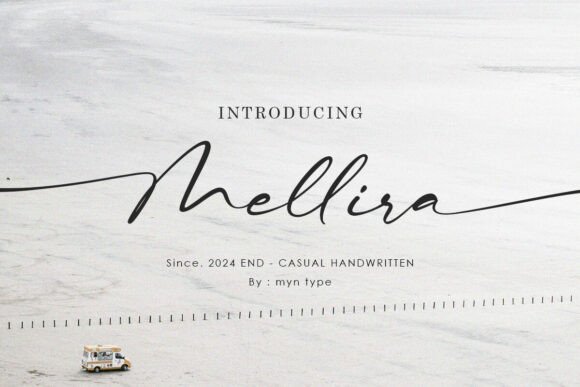
Mellira: A Script Font for Elegant Web Design
Testing Mellira in a hero section of a boutique online store was the first time I really connected with a script font. The clean, handwritten touch felt natural, not forced. It added a personal, authentic vibe that matched the brand's mission perfectly. As a web designer, finding a font that feels both modern and human is rare—Mellira delivers on that promise.
Mellira for Creative Portfolio Sites and Brand Identity
Mellira is a beautifully crafted script font that exudes a clean, handwritten touch. When used in a creative portfolio site, it brings a sense of personality to the header and project titles. The font’s subtle variations in stroke weight make it feel like real handwriting, which adds a layer of authenticity that digital fonts often lack. For a brand looking to stand out, Mellira can be the perfect anchor for logo design and visual identity elements.
Using Mellira for a portfolio homepage means considering how it interacts with other design elements. It works best as a display font rather than body text. Pairing it with a simple sans serif or serif font helps balance the visual hierarchy. This approach keeps the design from feeling cluttered while maintaining a polished, professional look.
Mellira for Online Store Banners and Product Landing Pages
In an online store, Mellira shines when used for banners and product headlines. The font’s elegance makes it ideal for highlighting key messages without overwhelming the viewer. On a product landing page, it can draw attention to a special offer or featured item, adding a touch of sophistication that aligns with the brand’s tone.
When testing Mellira on mobile screens, I noticed that it maintains clarity even at smaller sizes. This makes it a great choice for buttons, call-to-action areas, and short phrases. However, it’s important to ensure enough contrast between the font color and background, especially on dark or image-heavy backgrounds. Using it on light backgrounds also works well, but keep the line height consistent to avoid readability issues.
Mellira for Coaching Websites and Course Sales Pages
For a coaching website, Mellira adds a warm, approachable feel that resonates with visitors. It’s perfect for headings that introduce services, testimonials, or success stories. The font’s handwritten quality gives the impression of a personal connection, which is crucial for trust-building in online coaching environments.
On a course sales page, Mellira can be used to highlight key benefits or unique selling points. Its visual appeal helps break up dense blocks of text and guides the reader’s eye through the content. Just be mindful of using it sparingly—too much can dilute its impact. Limiting its use to headers and subheadings keeps the design focused and easy to scan.
Mellira for Blog Headers and Digital Ad Graphics
When designing a blog header, Mellira offers a fresh alternative to more common script fonts. It feels less ornate and more refined, making it suitable for both editorial and lifestyle blogs. The font’s legibility on screen ensures that readers can quickly grasp the main topic without struggling to read the title.
In digital ad graphics, Mellira can add a unique flair that stands out from the competition. Whether it’s a social media post or a banner ad, the font’s charm helps convey a message with a personal touch. However, it’s important to test it in different formats and sizes to ensure it remains readable across platforms.
Mellira for Campaign Landing Pages and Promotional Content
For a campaign landing page, Mellira can be a powerful tool for creating a memorable first impression. Its elegant style works well for headlines that introduce a new product, service, or event. The font’s consistency across different weights and styles allows for flexibility in layout design, ensuring that it adapts well to various content structures.
When planning a promotional campaign, consider how Mellira will integrate with other design elements. It pairs well with bold, minimalistic designs that emphasize clean lines and negative space. This combination creates a balanced aesthetic that feels modern yet inviting. Always check for multilingual support if the campaign targets international audiences.
Mellira for UI Elements and Button Text
Mellira is not just for large headings—it can also enhance small UI elements like button text and form labels. Its readability at smaller sizes makes it a good choice for interactive components that need to be both visually appealing and functional. However, avoid using it for long paragraphs or dense blocks of text, as this can reduce usability.
When using Mellira for button text, ensure that the font size and spacing are optimized for touch targets. A larger font size with sufficient padding improves accessibility and user experience. This is especially important for mobile-first designs where every pixel counts.
Mellira for Logo Design and Brand Assets
As a script handwritten font, Mellira has the potential to become a strong foundation for logo design. Its organic flow and subtle details give it a custom, handcrafted feel that can elevate a brand’s identity. When used in a logo, it should be paired with a complementary font to maintain clarity and balance.
Before finalizing a logo, test Mellira in different contexts—on a website, social media profile, or printed materials. This ensures that it scales well and retains its character across various mediums. Also, verify that the font includes all necessary glyphs and supports the languages your brand may use.
Mellira for Webfont Availability and Licensing
When integrating Mellira into a website, check the webfont availability and licensing terms. Ensure that the font is available in standard file formats like WOFF and WOFF2 for optimal performance. These formats help reduce load times and improve user experience, especially on slower connections.
Commercial font licensing is another consideration. If you’re using Mellira for client projects or an online store, confirm that the license covers those use cases. Some fonts have restrictions on resale or modification, so it’s important to understand the terms before implementation.