Texture Culture Font for Creative Projects
Texture Culture has been a go-to font in my design toolkit for the past few months. I first came across it while working on a branding project for a small, locally-owned café that wanted to feel both modern and grounded. The client was looking for something that could convey warmth and strength without being too traditional or overly trendy. Texture Culture fit the bill perfectly.
Texture Culture for Logo Design and Brand Identity
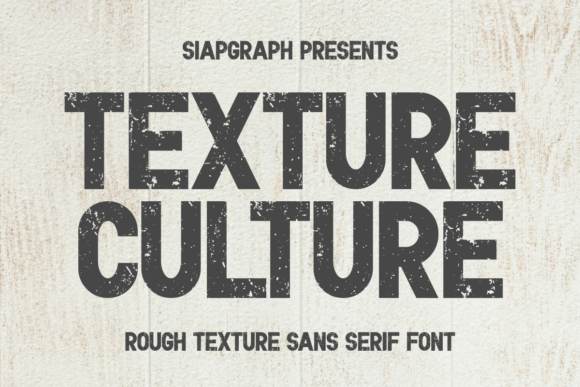
Texture Culture is a cool texture sans serif font that brings a unique visual weight to any logo or brand mark. Its subtle texture adds depth without overwhelming the design. When I tested it on a rough sketch of the café’s logo, it immediately gave the concept a more tactile, handcrafted feel. It wasn’t just about the look—it was about the mood it created. The font felt like it had a story behind it, which aligned with the café’s mission of offering quality, locally-sourced ingredients.
The manly style of Texture Culture makes it ideal for brands that want to project confidence and reliability. It doesn’t scream attention, but it commands it. In logo design, this font can be used as a primary typeface for the main brand name, especially when paired with a clean, minimal icon or symbol.
Texture Culture for Packaging Design and Product Labels
When I moved from the logo to the packaging design, Texture Culture proved to be a strong choice for product labels and box designs. The texture added a subtle contrast against the white background, making the text stand out without being distracting. It worked well on both digital mockups and physical samples, giving the products a cohesive, professional look.
For a small business like the café, consistency across all touchpoints is key. Texture Culture helped maintain that consistency, whether it was on a coffee bag, a menu board, or a promotional flyer. The font’s versatility made it easy to apply across different materials and formats.
Texture Culture for Web Design and Social Media Graphics
Texture Culture also performed well in web design and social media graphics. On the café’s homepage hero section, it added a bold, confident presence without sacrificing readability. The font’s clean lines and balanced proportions made it suitable for headings and subheadings, even at smaller sizes.
On Instagram posts and promotional banners, the font brought a sense of sophistication that matched the café’s aesthetic. It didn’t overpower the visuals, but it added enough personality to make the content feel intentional and polished.
Texture Culture for Editorial Design and Print Materials
I found that Texture Culture works well in editorial design, especially for print materials like brochures, newsletters, and event flyers. Its texture gives it a slightly vintage feel, which can be a nice contrast to more modern layouts. It pairs well with other sans serif fonts, allowing for a layered, dynamic composition.
When designing a menu for the café, I used Texture Culture for the title and headings, while keeping body text in a simpler sans serif. This created a clear visual hierarchy and kept the reader engaged without confusion.
Texture Culture for Display Fonts and Headline Typography
As a display font, Texture Culture shines in headlines, banners, and signage. Its texture adds a layer of interest that can elevate a simple message into something memorable. For the café’s shop sign, it provided the perfect balance between boldness and elegance.
It’s not the best choice for long blocks of text, but as a headline or accent font, it excels. It’s particularly effective when used in short phrases or single words, where its character can really come through.
Texture Culture for Business Cards and Stationery
Texture Culture also made an impression on business cards and stationery. The texture added a subtle but noticeable detail that made the cards feel more premium. It looked great in both black and white and when paired with a colored background.
For the café’s stationery, I used the font for the company name and address. It gave the materials a cohesive, professional look that reflected the brand’s identity. The font’s clean structure ensured that it remained legible even at smaller sizes.
Texture Culture for Font Pairing and Typographic Experimentation
One of the things I love about Texture Culture is how well it pairs with other fonts. I often pair it with a classic serif font for a balanced, timeless look. It also works well with other sans serifs when creating a more modern, minimalist feel.
For a recent project, I combined Texture Culture with a clean, geometric sans serif for a tech startup’s website. The result was a design that felt both innovative and approachable. The contrast between the two fonts helped guide the viewer’s eye and add visual interest.
Texture Culture for Commercial Font Licensing and File Formats
When considering Texture Culture for commercial use, I checked the licensing details to make sure it met the needs of the café’s brand. The font comes in multiple file formats, including OTF and TTF, which made it easy to integrate into different design tools and platforms.
It also includes a range of weights and alternates, which allowed for more flexibility in typography. Whether I needed a bold version for a headline or a lighter weight for a tagline, the font had options to suit the task.
Texture Culture for Branding Projects and Creative Work
Overall, Texture Culture has become a staple in my font library. Its unique texture and manly style make it a versatile choice for a wide range of design projects. From logos and packaging to web design and print materials, it consistently delivers a professional, polished look.
If you're working on a branding project that needs a font with character and strength, Texture Culture is worth considering. It’s a cool texture sans serif font that can elevate your design work and help create a lasting impression. Whether you're designing for a café, a boutique, or a creative studio, this font has the potential to enhance your brand’s visual identity.