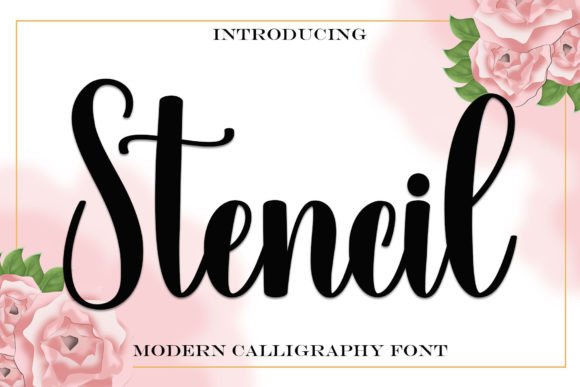
Stencil Font for a Polished and Memorable Brand Look
It started with a simple decision: I wanted to update my bakery’s packaging. We had been using the same label design for years, and while it was functional, it didn’t pop the way I hoped it would. That’s when I discovered Stencil, a script handwritten font that feels both modern and timeless. Since making the switch, our brand has felt more cohesive, elegant, and—most importantly—memorable.
Why Stencil is Perfect for Product Labels
I first tried Stencil on our new line of seasonal cookies. The name “Spiced Autumn Delight” needed something warm yet refined, and Stencil delivered exactly that. Its handwritten script style gives a personal touch, which aligns perfectly with our small-batch, artisanal approach. Unlike some script handwritten fonts, Stencil doesn’t feel too casual or messy. It strikes a perfect balance between creativity and professionalism, making it ideal for product labels where you want to stand out but still maintain trustworthiness.
The best part? Stencil reads clearly even in smaller sizes, so we could use it on tags and stickers without losing legibility. For businesses like mine that rely on visual appeal, having a font that works across various materials is a game-changer.
Stencil for Café Menus Adds Class Without Compromise
A few months ago, I redesigned our café menu. We had previously used a standard sans serif font, which worked fine but never really captured the cozy, handcrafted vibe of our place. After experimenting with different script handwritten fonts, I landed on Stencil. It added an air of sophistication while keeping the text easy to read—perfect for printed menus where clarity is key.
Using Stencil made our desserts and drinks feel more special. Customers often comment on how beautiful the menu looks, and I’ve noticed that people take photos more frequently now. In a world where social media exposure can come from unexpected places, a well-designed menu matters more than ever.
How to Make Sure Stencil Works Well on Printed Materials
- Test at actual size: Before finalizing your design, print out a sample using the same weight and size as your finished product. This helps ensure Stencil remains readable on everything from coasters to large posters.
- Use proper spacing: Script fonts can be dense, so give each character room to breathe. This especially helps when using Stencil for headlines or short phrases.
- Check file formats: If you're printing professionally, confirm the font files support commercial use and include high-resolution versions for crisp output.
Stencil Helps Create Consistent Branding Across Platforms
One challenge I faced early on was keeping our branding consistent across all platforms. Our website, Instagram posts, and even client emails all looked slightly different because we were using mismatched fonts. Once I adopted Stencil as our primary display font, everything began to look more unified.
We now use Stencil for:
- Our logo (as a bold headline)
- Instagram captions and story templates
- Email headers and thank-you notes
- Gift box seals and packaging tags
This consistency has helped customers recognize our brand instantly. Whether they’re seeing our postcard or scrolling through our online shop, the script handwritten font brings a sense of warmth and class that reflects who we are.
Pairing Stencil with Other Fonts for Balance
While Stencil is expressive and eye-catching, it's not always the best choice for every piece of text. I found that pairing it with a clean sans serif font like Montserrat or Lato creates a great contrast for readability. Use Stencil for names, titles, and decorative elements, and save the supporting text for something simpler and easier to digest.
If you're going for a more traditional aesthetic, try combining Stencil with a classic serif font like Playfair Display or Georgia. The result is a harmonious blend of modernity and elegance, perfect for editorial design or luxury product branding.
Stencil Can Elevate Social Media Graphics Instantly
When I started using Stencil in our social media visuals, the difference was immediate. Our promotional posts suddenly felt more intentional and visually appealing. The handwritten script style brought a human element to our content, making it feel less corporate and more inviting.
Here are a few ways we’ve used it:
- Headlines for seasonal promotions
- Decorative accents in behind-the-scenes stories
- Quotes and testimonials with a personal flair
- Menu highlights in carousel posts
Even our Instagram Stories have seen subtle improvements. With Stencil, we can create quick, eye-catching graphics that reflect our brand personality without overcomplicating things.
Readability Tips for Using Stencil on Mobile Screens
Because many customers view our content on mobile devices, I made sure Stencil wouldn’t lose its charm there. Here’s what worked for us:
- Limit characters per line: Keep lines short so the text fits comfortably on phone screens.
- Use bold weights wisely: Thicker strokes help the script handwritten font remain visible on smaller thumbnails.
- Contrast is essential: Pair Stencil with a solid background or a high-contrast color to make it stand out.
These small adjustments ensured our message stayed clear and our branding stayed strong, even on tiny screens.
Stencil for Packaging Titles and Merchandise
After trying Stencil on our menu and social media, I decided to apply it to our gift boxes and custom merchandise. We sell handmade candles, so the packaging needed to feel unique and crafted. Stencil added just the right amount of elegance and warmth to the design.
For instance, labeling our candle jars with Stencil gave them a boutique feel. Instead of generic typefaces, we now have a premium font that makes each item feel personalized. And for our branded stickers and tote bags, Stencil provided the perfect accent to highlight key phrases like “Handmade with Love” or “Natural Ingredients.”
Customers often mention how much they love the packaging. A good font isn’t just about looking pretty—it’s about creating a lasting impression.
Choosing the Right Style Within the Stencil Family
Some script handwritten fonts only offer one weight or style, but Stencil includes variations that let you tailor your designs better. I recommend checking if it offers bold, italic, or alternate characters before finalizing your project. These details matter when you want your brand to feel polished and professional across all design assets.
Also, don’t forget to review the font’s multilingual support if you plan to expand your reach. It might surprise you how helpful this feature can be for international clients or markets.
Stencil for Business Cards and Flyers
At a recent local market, I handed out business cards featuring Stencil as the main headline. The response was positive—people thought it looked stylish but still trustworthy. For a font that’s both decorative and readable, it’s hard to beat Stencil in these kinds of applications.
On flyers advertising our weekend workshops, using Stencil for the title immediately caught attention. It helped set the tone for the event and aligned with our creative, community-driven brand identity. The combination of a script handwritten font and practical layout made the flyer feel more engaging and less like a sales pitch.
Understanding Commercial Font Licensing
Before applying Stencil to all our branding, I made sure to understand the licensing terms. Some fonts are free for personal use but require payment for commercial work. Always double-check what’s included—especially if you’re using the font for logos, digital downloads, or client projects.
Once we confirmed the license supported our needs, we confidently applied Stencil to all our marketing materials. Knowing we had the right permissions gave peace of mind and allowed us to focus on creativity without legal worries.
Stencil Brings Personality to Every Project
What I love most about Stencil is how it adds character without being overwhelming. It’s versatile enough to work on anything from a minimalist logo to a vibrant flyer. As someone who runs a small business, I appreciate how a single font can tie together multiple aspects of our brand into one cohesive visual language.
Whether it’s for a product label, a menu header, or a social media graphic, Stencil elevates the overall look. It gives the impression that we care about quality and presentation—something that resonates with our customers and sets us apart from the competition.
Realistic Expectations When Choosing a Font Like Stencil
Not every script handwritten font will suit your brand. Stencil works particularly well for businesses that want to convey warmth, artistry, and professionalism. But it’s not the best option for long paragraphs or technical documents. Use it where it shines: headlines, short phrases, logos, and display text.
Try downloading a trial version or previewing it in your current design tools before committing. Seeing how it looks in real context is the best way to determine if it’s the right fit for your brand.
Stencil Makes Your Brand More Recognizable
Now that Stencil is part of our core brand identity, we see more recognition from returning customers. They know the look of our packaging, our social posts, and even our email headers. This kind of visual consistency builds trust and familiarity, which are crucial for any growing business.
Think of it this way: when your font becomes part of your brand’s signature, it turns into a silent ambassador for your values. Stencil communicates craftsmanship, attention to detail, and a touch of personality—exactly what we wanted to express.
If you’re ready to give your brand a fresh, elegant look that feels both modern and timeless, consider Stencil. It’s a script handwritten font that works across platforms, improves readability, and helps your business stand out in the best possible way.