Handfine: A Modern Script Font for Creative Branding Projects
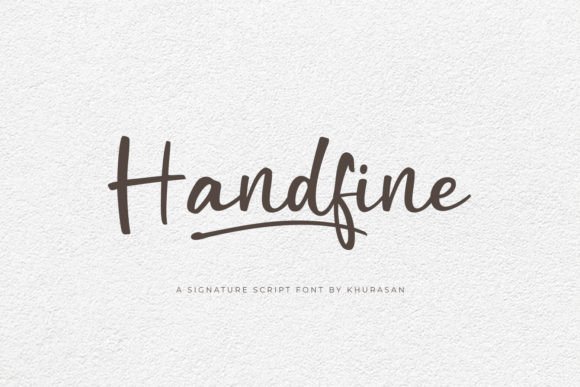
I recently started working on a branding project for a local artisanal skincare brand. They wanted something that felt personal, handcrafted, and upscale — the kind of look that screams quality without being over the top. As I opened my design board and began sketching out ideas, I found myself reaching for Handfine, a clean and elegant script font. It wasn’t just about aesthetics; it had to work across multiple platforms and still maintain its charm and clarity.
Using Handfine in Logo Design for a Skincare Brand
The first thing I did was test Handfine in the logo mockup. The client loved the idea of having a handwritten feel, which is why they specifically mentioned wanting a script or handwritten font. Handfine stood out because it’s not too cursive or ornate — it’s modern enough to appeal to today’s audience but retains that soft, organic touch that makes it feel like it was written by hand. I paired it with a minimalist sans serif font to balance the personality of the brand. The contrast worked beautifully: Handfine brought warmth and creativity, while the supporting font kept things legible and professional.
Handfine for Product Labels and Packaging Mockups
Next up was product labeling. Since this is a small business, every detail matters. I placed Handfine on the front label of their flagship moisturizer jar. At first glance, it looked lovely, but I needed to ensure it wouldn’t compromise readability. That’s where the font’s clean structure came into play. Even at smaller sizes, the characters remain distinct and easy to read. This made me confident using it as an accent font on packaging rather than the main body text. For longer descriptions, I used a more neutral typeface, but for brand names and key selling points, Handfine added just the right amount of sophistication and style.
Testing Handfine on Business Cards and Merchandise
I also tested Handfine on business cards and sample packaging inserts. On a physical card, the font has a nice weight and stroke variation that gives it depth without being too delicate. It’s subtle enough to not distract from the information yet distinctive enough to make the brand memorable. When it came to merchandise like reusable cotton bags and sample tins, I found that using Handfine as a headline helped establish a cohesive visual identity. It didn’t matter if the background was textured or patterned — the font held its own and enhanced the overall design.
Handfine in Social Media Graphics and Website Headers
Social media is such a big part of these brands’ reach, so I made sure to test Handfine in Instagram posts and Facebook banners. The font works especially well in short-form text, making it perfect for quotes, taglines, or promotional headers. Its modern elegance fits seamlessly into lifestyle photography and video thumbnails, helping the brand stand out without shouting. On the website, I used Handfine for the hero header and subheadings. It created a warm and inviting tone, aligning perfectly with the brand’s mission of natural beauty and self-care.
How Handfine Fits Into a Full Brand System
One concern I always have when choosing a script or handwritten font is whether it can hold up under different applications. With Handfine, I found that it’s versatile enough to be used in both digital and print environments. It doesn’t get lost in low-resolution images or pixelated displays, which is crucial for social media use. Plus, it comes with several alternates and ligatures that allow for subtle variations — perfect for adding character to repeated elements like packaging seals or signature lines.
As a display font, Handfine is a solid choice. It’s not ideal for large blocks of text, but when used sparingly for headlines, titles, and accents, it really shines. I recommend designers treat it as a premium font meant for visual impact rather than long-form reading. This way, you can leverage its strengths and avoid any potential issues with legibility.
Handfine for Banners and Poster Design
Creating eye-catching posters and banners is another area where Handfine excels. I used it for event signage and seasonal promotions, and the feedback from the client was positive. It added a sense of craft and care to the designs, which is exactly what they wanted. The fluidity of the strokes gave it a soft, approachable feel, while the overall structure kept it from looking too casual or unprofessional.
When designing a poster, I often layer fonts to create depth. In one case, I used Handfine as the main headline and then added a lighter serif font for supporting text. This combination helped guide the viewer’s eye through the content while maintaining the brand’s aesthetic. The result? A design that felt both artistic and functional — no small feat for a script font.
Designing with Handfine Across Multiple Formats
Another benefit of using Handfine in this project was how it translated across formats. Whether it was printed on a magazine ad, displayed on a digital banner, or etched onto a wooden sign outside the boutique, it maintained its integrity and charm. That kind of consistency is essential for building brand recognition. You want your audience to instantly associate the font with your brand — and Handfine helps make that happen naturally.
Font Pairing Tips with Handfine
While Handfine is a strong standalone typeface, it pairs exceptionally well with other fonts. Here are some combinations I’ve tried and trusted:
- Handfine + Serif Font: Great for editorial design and blog headers. The serif adds a timeless feel, while Handfine brings modernity and flair.
- Handfine + Sans Serif Font: Perfect for logos and web design. The contrast between the two styles enhances readability and visual interest.
- Handfine + Bold Script Font: Use sparingly for dramatic effect in special promotions or wedding-related projects.
Remember, the goal is to let Handfine shine where it counts. Don’t overuse it, and always consider the context and purpose of each design element.
Practical Advice for Testing Handfine Before Committing
If you’re considering Handfine for your next project, take the time to test it in various scenarios before finalizing your brand system. Try it in black and white to see if it still reads well without color. Check it at different sizes on a business card and a billboard. Look at how it interacts with your chosen color palette and brand imagery. These little tests can save a lot of headaches later on and help you confirm that Handfine is the right fit for your brand identity.
Handfine for Book Covers and Editorial Layouts
Later in the project, the client wanted to launch a monthly newsletter and a branded book of their best customer testimonials. I used Handfine for the title of the booklet and on the cover of the digital version. The font’s stylish curves and clean lines made the title pop without overwhelming the layout. Inside the booklet, I used it for chapter headings and pull quotes, which added a creative touch while keeping the flow of the content smooth and readable.
Commercial Font Licensing Considerations
It’s important to note that Handfine is a commercial font, so if you plan to use it for products sold online or in-store, you’ll need to check the licensing terms. In this case, the client needed full commercial rights, and the font provided them without issue. Always verify the license before committing to a font, especially when scaling a project or planning future merchandise lines.
Handfine for Local Businesses and Boutique Branding
What I love most about Handfine is how adaptable it is for local businesses and boutique-style brands. From the café name on a chalkboard sign to the “New Arrival” banner in a handmade shop window, it brings a sense of authenticity and class. One of the biggest challenges in branding is finding the right balance between uniqueness and professionalism. Handfine nails that balance, allowing small businesses to feel both creative and credible.
Its versatility means you can use it for everything from a website header to a flyer announcement, ensuring a consistent look throughout all materials. And since it’s a modern script font, it feels fresh and current — something many clients are after in today’s fast-moving design landscape.
Multilingual Support and File Formats
For international branding or multilingual marketing, Handfine offers solid multilingual support. I checked the file format options and found it included both OTF and TTF, which are standard in most design software. This made it easy to integrate into our workflow without compatibility issues. If you're targeting a global audience or creating content in different languages, this feature will come in handy.
Final Thoughts on Incorporating Handfine in Real-World Projects
Working with Handfine has been a pleasure. It’s rare to find a script font that feels both refined and accessible. In real-life applications, it holds up well across mediums and maintains its elegant presence without becoming distracting. It’s a go-to option for me when I need a modern, stylish, and clean script font for branding, posters, or editorial layouts. Whether you're designing for a local restaurant, a creative studio, or a product-based business, Handfine adds a touch of class and originality to your design assets.
So if you’re looking for a script font that bridges the gap between personal and professional, give Handfine a try. Test it out in your next project — you might just find it’s the perfect match for your brand identity and creative vision.