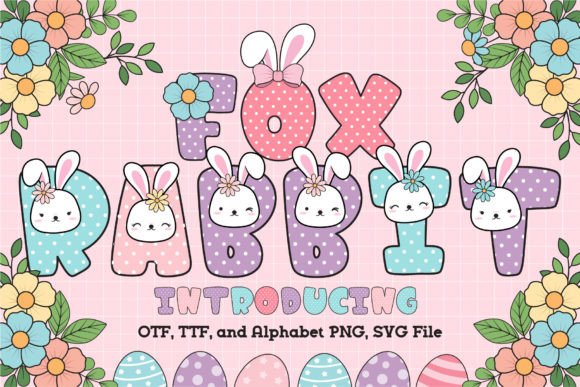
Fox Rabbit Font Adds Playful Charm to Creative Projects
As a web designer who loves working with handmade shops and creative entrepreneurs, I’m always on the lookout for fonts that bring personality and visual flair without compromising usability. Recently, I had the chance to test Fox Rabbit, a cute and fun Color Fonts typeface, across several real-world design projects—from digital shop listings to printed packaging and even SVG-style designs for cutting machines. What stood out was how this font not only looks adorable but also works beautifully in both print and digital spaces.
Fox Rabbit for Farmhouse Signs and Seasonal Decorations
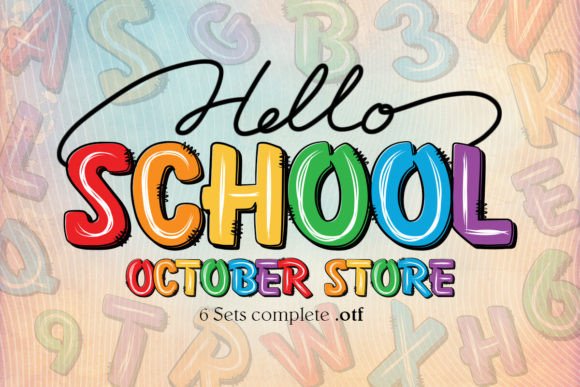
One of the first ways I tried Fox Rabbit was on a set of seasonal farmhouse signs for a client’s Etsy shop. The font’s playful curves and soft color gradients gave each sign a warm, handcrafted feel that matched the cozy aesthetic they were going for. Whether it was a fall “Welcome Home” banner or a springtime floral label, Fox Rabbit added just the right amount of whimsy without being too over-the-top. It’s perfect for Fonts that need to stand out in photos and look inviting on store shelves.
I especially appreciated how well it handled short phrases and decorative wording. For small signs or wall art, where every letter needs to pop, Fox Rabbit delivered clean lines and vibrant details. Just remember—if you’re using it on very tiny cuts, like little hanging tags, you’ll want to simplify or scale up the design slightly to maintain clarity.
Fox Rabbit in Wedding Invitations and Welcome Boards
Wedding stationery is one area where typography really shines, and I was curious how Fox Rabbit would perform in that space. I designed a mockup for a wedding invitation suite using this Color Fonts typeface as the main title and paired it with a simple serif font for the body text. The result was charming yet elegant—ideal for couples wanting something unique but still refined.
The same approach worked well for a welcome board at the venue entrance. With larger spacing and a soft pastel palette, Fox Rabbit brought warmth and personality to the design. I made sure to test it on different background textures and colors to ensure legibility, and it held up impressively. Just be mindful of contrast when using it against busy patterns or dark backgrounds.
Readability Tips for Physical Invitations
- Font Size: Use at least 18pt for printed invitations to keep the color details visible.
- Contrast: Avoid low-contrast combinations unless the gradient is subtle.
- Printing Method: Digital printing works best; laser or inkjet may affect color rendering depending on your printer settings.
Fox Rabbit for Planner Pages and Editorial Design
Next, I used Fox Rabbit in a monthly planner layout. The font’s cheerful appearance made it ideal for section headers and decorative accents, while the included alternates allowed me to switch things up for variety. It didn’t work so well for dense blocks of text, which makes sense given its decorative nature—but that’s exactly why it’s such a great Fonts choice for editorial layouts or product titles rather than long paragraphs.
What I loved most was how easy it was to integrate into layered designs. When combined with geometric shapes or minimalist illustrations, Fox Rabbit helped create a balance between modern and whimsical. It’s particularly useful for those who sell Fonts for printable planners or calendars, offering a fresh take on traditional layouts.
Pairing Fox Rabbit with Other Typefaces
Because Fox Rabbit is a display Font, I recommend pairing it with a clean sans serif or a classic serif for readability. In my tests, a simple Helvetica Neue or Georgia provided the perfect contrast for body text, letting the color and style of Fox Rabbit shine where it mattered most. This kind of font pairing ensures your designs remain professional while still having that special spark.
Fox Rabbit in Boutique Packaging and Product Labels
When designing packaging for a small candle line, I reached for Fox Rabbit to add character to the labels. The color variations allowed me to experiment with layered effects, making the label feel like part of the product itself. Customers can tell from the design that attention was paid to detail, and that’s what sets apart quality Fonts from generic ones.
For product tags and stickers, I found that using the bolder styles of Fox Rabbit helped maintain visibility even when printed at smaller sizes. However, if you're planning to cut intricate details with a Cricut or Silhouette machine, make sure to check the file formats and weights included. Some styles might be better suited for digital use or larger prints.
Commercial Use and Licensing Considerations
Before sharing any templates or selling physical products using Fox Rabbit, it’s essential to confirm the licensing terms. If you're creating digital downloads or commercial printables, you’ll want to ensure the Color Fonts are permitted for resale or redistribution under the font’s license. Checking these details ahead of time prevents headaches later and keeps your business compliant.
Fox Rabbit for Social Media Graphics and Brand Identity
On the digital side, Fox Rabbit performed exceptionally well in social media graphics and shop branding. Its color layers translated beautifully into Instagram previews and Facebook ads, helping the brand feel more personal and engaging. As a Fonts for logos and taglines, it brought a youthful, friendly vibe that resonated with customers browsing online.
I created a few mockups for a boutique’s logo using Fox Rabbit, and the results were consistently eye-catching. The font’s versatility allowed it to fit seamlessly into both bold, colorful headers and softer, more muted brand elements. It's definitely a go-to Font for anyone looking to inject charm into their brand identity without losing professionalism.
Design Assets and Multilingual Support
If you plan to use Fox Rabbit in international markets or multilingual shop listings, be sure to check whether the font includes the characters you need. While many Color Fonts focus on English, some include additional language support. In my case, since the project was U.S.-centric, it worked perfectly, but for global audiences, double-check the options before finalizing your designs.
Why Fox Rabbit Stands Out Among Color Fonts
In a sea of Fonts that try too hard to be trendy or lack practicality, Fox Rabbit feels like a breath of fresh air. It’s a Font that manages to be both expressive and usable. The subtle playfulness of the letters doesn’t distract from the message but instead enhances the emotional appeal of the content. That’s rare in Color Fonts, which often lean too heavily into novelty.
Its adaptability also impressed me. From festive holiday tags to minimalist greeting cards, Fox Rabbit maintained its charm without becoming overwhelming. And because it’s optimized for both screen and print, it’s a solid choice for creators who work across multiple platforms—whether you’re selling digital templates or shipping physical goods.
Things to Watch Out for
- Avoid Tiny Text: Due to its decorative nature, Fox Rabbit isn't ideal for very small text or fine details in cut files.
- Limited Use in Long Paragraphs: Save it for headlines, names, or decorative elements rather than large blocks of body copy.
- Printer Compatibility: Test prints before bulk production to ensure color gradients render correctly.
Using Fox Rabbit in Digital Download Templates
For those who create and sell digital printables, Fox Rabbit is a fantastic asset. I embedded it into a couple of birthday card templates and saw how it elevated the overall presentation. The color layers added depth and interest, making the preview images more appealing to potential buyers.
One thing I learned during this process is that embedding Color Fonts in PDFs or SVGs requires specific software support. Make sure your design tools (like Adobe Illustrator or Canva) recognize the color format properly, and consider including fallback instructions for users who might not have access to the full font features.
Testing Fox Rabbit on Mockups and Listings
I tested Fox Rabbit on mockups for mugs, tote bags, and shirts. Each time, the font’s style complemented the product visuals and felt cohesive with the intended theme. On a tote bag with a nature-inspired design, the font looked like it belonged there naturally. But on a shirt with a lot of white space, I needed to adjust the positioning and size carefully to avoid clutter.
It’s also worth noting that Fox Rabbit handles uppercase and lowercase text gracefully, making it suitable for everything from product names to taglines. The included ligatures and swashes gave an extra touch of sophistication, especially when used sparingly in key phrases.
Final Thoughts on Fox Rabbit for Makers and Designers
Overall, Fox Rabbit has proven itself as a reliable and charming Font that fits neatly into the toolkit of any creative maker or designer. It’s not just another Color Fonts gimmick—it’s a thoughtfully crafted Font that brings joy to the design process and helps products stand out in a crowded market.
Whether you’re working on a single greeting card or building a whole line of branded merchandise, Fox Rabbit adds a layer of creativity and warmth that’s hard to ignore. Just be sure to use it wisely, keeping its playful spirit in check where necessary, and you’ll find it to be a valuable addition to your design workflow.