Baby Alphabet: A Whimsical Typeface for Editorial Design
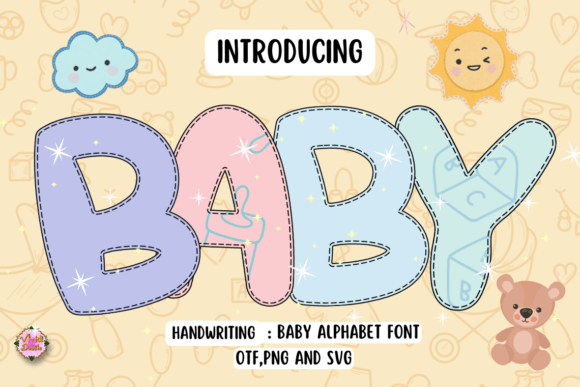
There I was, hunched over my desk with a half-finished layout for a digital lifestyle magazine, staring at the cover title and feeling stuck. The design had a soft, organic feel—pastel illustrations, hand-drawn elements, and a warm editorial tone—but the font choice just wasn’t clicking. Then I opened Baby Alphabet, a pastel baby font that immediately felt like it belonged in this world. Its gentle curves, playful spirit, and delicate strokes brought a sense of charm and clarity to the project. In the weeks since, I’ve used Baby Alphabet across multiple content formats, and each time it has delivered a unique balance of whimsy and readability.
Baby Alphabet for Wedding Invitations and Elegant Branding
Wedding guides are a perfect example of where Baby Alphabet shines. These publications often blend formal language with romantic visuals, and finding a font that complements both is tricky. Baby Alphabet’s soft, rounded letterforms offer a refreshing contrast to more traditional serif fonts commonly used in wedding invitations and stationery. It adds a touch of innocence and joy without sacrificing elegance. When I tested it on a sample wedding guide cover, the font helped create an inviting first impression—something essential when capturing attention in a crowded inbox or social media feed.
What makes Baby Alphabet particularly effective here is its subtle expressiveness. Each character feels like it carries a little personality, which works well for branding that aims to be memorable but not overwhelming. The pastel-inspired color options available within some versions also allow for seamless integration into watercolor-style backgrounds or illustrated designs. Just remember: while it’s ideal for headers, titles, and decorative accents, avoid using it for dense body text in wedding programs or guest lists, as the thin strokes may compromise legibility at smaller sizes.
Baby Alphabet in Recipe Ebooks and Lifestyle Blogs
I recently redesigned a client’s recipe ebook, and they wanted something that felt cozy and approachable. Baby Alphabet was a natural fit. Its whimsical nature aligns beautifully with the kind of content that invites readers to slow down, savor the moment, and get creative in the kitchen. The font’s rhythm is gentle enough to feel relaxing yet structured enough to remain readable in short bursts—perfect for chapter openers, section headings, or even pull quotes that highlight key tips or anecdotes.
In blog headers, Baby Alphabet adds a visual softness that encourages exploration. For a wellness blog I worked on, it transformed the front page from standard to standout. Readers noticed the change immediately; comments mentioned how the new header felt “more welcoming.” That’s the power of a decorative typeface done right—it doesn’t just look good, it helps set the tone for the entire publication. However, when building out the interior pages, I paired Baby Alphabet with a clean sans serif font for body copy to ensure no loss in readability. This kind of thoughtful font pairing is crucial when using expressive fonts like Baby Alphabet in longer-form content.
How Baby Alphabet Enhances Visual Hierarchy
One of the joys of working with Baby Alphabet is how naturally it fits into visual hierarchy. Because it’s a display font, it commands attention when placed correctly. I’ve found it especially useful for article titles, newsletter headlines, and feature sections in magazines. Its distinct shape helps differentiate these elements from supporting text, making navigation easier for readers.
For example, in a digital issue of a parenting magazine, I used Baby Alphabet for the main headline of a feature about early childhood education. The font created a warm, nurturing mood that aligned perfectly with the theme. Below it, I layered in a simple, modern sans serif for the subhead and body text. The result? A clear structure that guided the reader’s eye while maintaining the publication’s identity as a friendly, informative resource.
Baby Alphabet for Printables and Educational Layouts
Printable planners and worksheets are another area where Baby Alphabet can add charm without clutter. As a decorative font, it works wonders for headers, motivational quotes, or section dividers in coaching workbooks and educational templates. I used it in a mindfulness printable series, where each worksheet had a heading styled with Baby Alphabet. The effect was calming and engaging, encouraging users to take a break and interact with the content more thoughtfully.
When applied to section labels or decorative accents in a planner, Baby Alphabet brings a sense of playfulness that resonates with younger audiences or those looking for a more personal, less corporate style. But again, it’s important to use it sparingly and pair it with a more neutral font for the actual task lists or instructions. Too much whimsy can lead to visual fatigue, especially if you’re designing for daily use.
Readability Across Platforms
A common concern with any decorative font is whether it reads well on different devices and in various formats. With Baby Alphabet, I’ve been impressed by its adaptability. On screen, the font remains crisp and legible at larger sizes, making it suitable for web design and social media graphics. In PDF exports, it retains its soft, pastel aesthetic, which looks great in printables and downloadable resources. And when printed, the font maintains its charm, especially when paired with high-quality paper stock and light ink tones.
Still, there are limits. If you're designing a long-form course PDF or a data-heavy report, Baby Alphabet might not be the best choice. The font is better suited for content with a lighter, more emotional tone. For body copy in such cases, I recommend sticking to a classic serif or sans serif font that supports easy scanning and retention.
Using Baby Alphabet in Digital Magazines and Newsletter Graphics
Another recent project involved a monthly digital magazine focused on home decor and sustainable living. I needed a font that would stand out in the header but still feel cohesive with the rest of the brand’s identity. After testing several fonts, Baby Alphabet was the one that clicked. It added a handmade, almost artisanal quality to the title, which matched the publication’s focus on curated, intentional design.
Inside the magazine, I reserved Baby Alphabet for pull quotes and featured article titles. These moments called for a bit of flair, and the font delivered. It didn’t distract from the content but instead elevated it. In newsletter graphics, Baby Alphabet made call-to-action buttons and subject lines more eye-catching. Its friendly vibe encouraged readers to engage rather than skim past.
Font Pairing Tips for Maximum Impact
If you're considering using Baby Alphabet in your next editorial project, think carefully about what it pairs well with. Since it’s a display font with a lot of character, it needs a partner that provides balance and clarity. I usually go with a minimalist sans serif like Helvetica Neue or a clean serif like Georgia. These combinations keep the layout grounded while allowing Baby Alphabet to shine in the right places.
- Magazine Covers: Use Baby Alphabet as the main title with a bold sans serif subtitle.
- Newsletter Headers: Combine Baby Alphabet with a monospace or geometric sans serif for a fresh, modern look.
- Recipe Ebooks: Pair with a traditional serif font for ingredients and steps to maintain readability.
Always check the included styles, alternates, and ligatures before finalizing your layout. Some premium font packages include additional weights or stylistic variations that can help diversify your design without needing to switch fonts entirely. Also, make sure to verify the commercial font licensing if you plan to use Baby Alphabet in paid newsletters, printables, or client projects.
Baby Alphabet in Brand Identity and Content Structure
Strong brand identity relies on consistent typography choices. Baby Alphabet isn’t a font you’d want for every element, but it can serve as a signature piece in your toolkit. Think of it as the cherry on top of your editorial design—used strategically to reinforce your brand’s personality.
For instance, in a small creator newsletter that blends personal reflections with productivity tips, Baby Alphabet became part of the header treatment and occasional feature highlights. It helped establish a unique voice and gave the publication a sense of warmth and creativity. Readers began to associate the font with the newsletter’s tone, which is exactly what you want when building brand recognition.
That said, don’t overuse it. A few key placements—like the logo, main title, or pull quote—can do more to strengthen your publication’s identity than flooding every page with the same style. Remember, the goal is to create harmony, not chaos.
Final Considerations Before You Download
Before committing to Baby Alphabet for your next layout, consider the following:
- Does your content benefit from a cute, friendly, and whimsical typeface?
- Will the font be used primarily for display purposes, like headers and titles?
- Do you have a solid font pairing strategy to support readability in the rest of your layout?
- Is multilingual support necessary for your audience?
- Are you using the correct file format for your platform (web, print, PDF)?
Once you’ve answered these questions and confirmed Baby Alphabet is the right choice, you’ll find it to be a versatile and charming addition to your design assets. Whether you’re crafting a Fonts package for sale or simply enhancing your own editorial layouts, this pastel baby font has the potential to elevate your work with minimal effort.
In the end, choosing the right decorative font is about matching form with function. Baby Alphabet does this well—it’s expressive enough to capture attention, yet refined enough to support a cohesive editorial experience. I’ve seen it work in blogs, magazines, and even social media posts, and each time it’s contributed to a stronger connection between the reader and the content.